
- 01Your AI Assistant and Strategist
- 02Content and Social Media Tools
- 03Design and Branding Tools
- 04Admin, Operations and Automation Tools
- 05Customer Support Tools
- 06Get 50 Curated AI Tools for Solopreneurs
- 07How to Build Leverage Without Overload
- 08AI Tools vs Hiring: When to Do Which
- 09Keeping Your Solo Stack Affordable
- 10Frequently Asked Questions
- 11A Day in the Life With an AI Stack
- 12The Bottom Line
Solopreneurs and small founding teams live or die by leverage — getting more done without hiring. AI is the ultimate leverage: it lets one person handle marketing, admin, content, design and customer work that used to need several. Here are the best AI tools for solopreneurs and founders in 2026, grouped by the jobs you actually have to do alone, so you can run a real business single-handed without burning out or breaking the bank.
Short Answer: The best AI tools for solopreneurs cover the roles you would otherwise hire for: a general AI assistant for thinking and writing, AI content and social tools for marketing, AI design tools for visuals, AI automation for admin and operations, and AI customer-support tools. The goal is leverage – using AI to cover multiple roles so one person can run the business. Start with an assistant and add tools by role as you need them; a curated toolkit maps the best pick for each.
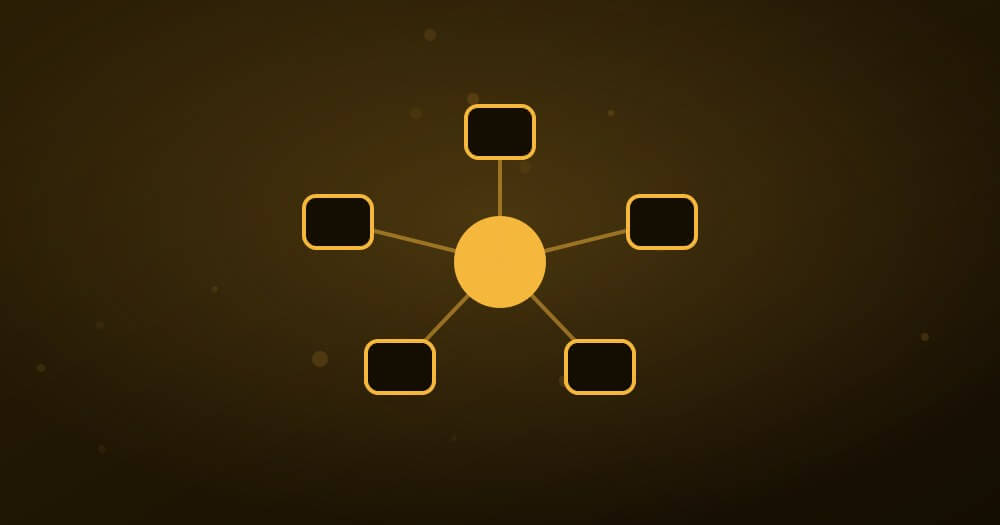
As a solopreneur, you are the marketing team, the designer, the support desk and the operations manager. AI lets you fill each of those roles well without cloning yourself. Here is what to use for each.
The roles AI can cover for a solopreneur:
- Assistant and strategist
- Content and social media
- Design and branding
- Admin, operations and automation
- Customer support
Your AI Assistant and Strategist
The foundation is a general AI assistant like ChatGPT, Claude or Gemini. For a solopreneur with no colleagues, it is a research assistant, a writing partner, a sounding board and a strategist rolled into one. Use it to plan your week, draft anything you need to write, think through decisions, and get unstuck. Because you have no team to brainstorm with, this thinking-partner role is genuinely valuable, and it is the tool you will lean on every single day across every part of the business.
Content and Social Media Tools
Marketing is often the biggest job a solopreneur cannot keep up with, and AI content tools are the answer. Use AI to write blog posts and SEO articles, generate and schedule social media content, create short-form video scripts, and repurpose one piece of content into many formats. This lets a single person maintain a consistent marketing presence that would normally need a content team. The key is consistency, and AI makes producing a steady stream of content realistic even when you are also running everything else.
Design and Branding Tools
You need visuals — for your website, social posts, products and marketing — and AI design tools deliver them without a designer. AI image generators, logo and brand tools, and design platforms with AI features let you produce professional-looking graphics quickly and cheaply. For a solopreneur, this means your business can look as polished as a much larger company, which builds trust with customers, at a fraction of the cost and time of hiring design help.
Admin, Operations and Automation Tools
The invisible work — scheduling, invoicing, data entry, follow-ups — quietly eats a solopreneur’s time. AI and automation tools take much of it off your plate: AI assistants draft and sort emails, automation tools connect your apps so tasks happen without you, and AI handles bookkeeping prep, scheduling and repetitive data work. Automating this operational load is what frees you to spend your limited hours on the work that actually grows the business, rather than on admin that merely keeps it running.
Customer Support Tools
You cannot be online every hour, but your customers expect timely help. AI support tools bridge the gap: chatbots answer common questions instantly around the clock, AI drafts replies for you to approve, and AI organises and prioritises incoming messages. This lets a solopreneur provide responsive support without being chained to their inbox, keeping customers happy while protecting your time. As your customer base grows, this kind of AI support is what makes serving them single-handedly sustainable.
Get 50 Curated AI Tools for Solopreneurs
The challenge is not a lack of AI tools but choosing the right ones for each role without wasting your scarce time testing dozens. Our eBook, 50 AI Tools for Your Next Startup, is a curated collection of the best AI tools for entrepreneurs and solopreneurs across every role — assistant, content, design, operations and support. Instead of researching endlessly, you get a ready shortlist for each job, so you can build your solo business’s AI stack quickly and get back to the work only you can do. It is pay-what-you-want, so it fits any budget.
Get 50 AI Tools ↗
Best AI tools for freelancers →
Warning: As a solopreneur, you carry all the responsibility for your outputs, so review AI-generated work before it goes to customers – errors and generic content reflect on you alone. Protect customer data by not pasting it into public AI tools, and treat AI as a capable assistant whose work you check, not an autopilot. The businesses that thrive use AI for leverage while keeping quality control firmly human.
How to Build Leverage Without Overload
The risk for solopreneurs is collecting tools until managing them becomes its own job. Avoid that by adopting AI one role at a time: start with your assistant, then add the tool for whichever role is currently your biggest bottleneck. Favour tools that integrate with each other and automate the handoffs between them, so your stack works as a system rather than a pile of apps. Use free tiers while you are small, and drop any tool that is not clearly saving you time. The goal is maximum leverage with minimum overhead — a lean, connected set of AI tools that quietly cover your many roles. For related setups, see the best AI tools for small business and best AI productivity tools that save time.
Checklist: the solopreneur AI stack
- ✅ A general AI assistant as your strategist and writer
- ✅ AI content and social tools for consistent marketing
- ✅ AI design tools for professional visuals
- ✅ AI automation for admin and operations
- ✅ AI support tools to help customers around the clock
- ✅ Add tools by role, integrate them, drop what does not help
- ✅ Review AI outputs and protect customer data
AI Tools vs Hiring: When to Do Which
A core solopreneur decision is when to use an AI tool and when to finally bring in a human. The rule of thumb: use AI for the high-volume, repeatable execution — drafting content, generating visuals, first-line support, admin — where speed and cost matter more than deep expertise. Bring in a human, whether a freelancer or eventually an employee, for work that needs specialised judgment, accountability, or a level of craft AI cannot reliably reach, and for relationships that are core to your business. The smart pattern is to push the AI tools as far as they can go first, which keeps you lean and delays hiring, then hire selectively for the specific gaps AI leaves. This way you spend money on people only where it genuinely adds value the tools cannot, getting maximum leverage from both.
Keeping Your Solo Stack Affordable
Subscription creep is a real danger when you are covering many roles with many tools. Keep your stack affordable by starting on free tiers, which for a small solo business often cover your needs for a long time, and only upgrading a tool when its paid features clearly earn back their cost in saved time or added revenue. Prefer a few versatile tools over many narrow ones, since a capable AI assistant alone covers a surprising range of tasks. Review your subscriptions regularly and cancel anything you have stopped using. The aim is a stack that maximises leverage while keeping fixed costs low, so your solo business stays profitable and flexible rather than quietly bleeding money to tools you rarely open.
Frequently Asked Questions
What are the best AI tools for solopreneurs?
A general AI assistant (ChatGPT, Claude or Gemini) is the foundation, plus AI content and social tools for marketing, AI design tools for visuals, AI automation for admin, and AI support tools for customers. Together they let one person cover the roles a small team would, which is the whole point of AI leverage.
How can AI help a one-person business?
AI covers the roles you would otherwise hire for: writing and strategy, marketing content, design, operations and support. It handles the time-consuming execution so a solopreneur can run a credible business alone, focusing their limited hours on the work that only they can do.
Which AI tool should a solopreneur start with?
A general AI assistant. It delivers value across every part of the business immediately – planning, writing, research, problem-solving – making it the highest-return first tool. Add specialised tools for your biggest bottleneck next, whether that is marketing, design or admin.
How do I avoid AI tool overload?
Adopt one tool per role as you need it, favour tools that integrate and automate handoffs, use free tiers while small, and cut anything not clearly saving time. A lean, connected stack beats a large collection of apps you have to manage. A curated guide helps you pick proven tools rather than testing many.
What is the biggest benefit of an AI stack for solopreneurs?
Leverage – the ability to produce the output of several people as one person. It lets you keep costs low, move quickly, and stay solo and profitable far longer than the traditional path allows. That leverage is what makes running a credible business single-handed genuinely realistic today.
Can AI really replace hiring for a solopreneur?
For much of the early execution, yes – marketing content, design, admin and first-line support can be largely AI-driven. It does not replace your judgment, relationships or the specialised expertise some tasks need, but it delays and reduces hiring dramatically, letting you stay solo and profitable far longer.
How many AI tools does a solopreneur actually need?
Fewer than you might think – often a general AI assistant plus a handful of role-specific tools for your biggest bottlenecks. A lean, connected stack is easier to manage and cheaper than a large collection. Add tools only when a real, recurring need appears, and drop any that stop earning their place.
A Day in the Life With an AI Stack
To make it concrete, picture a solopreneur’s typical day powered by AI. The morning starts with the AI assistant helping plan priorities and draft the day’s emails and messages. Mid-morning, AI content tools produce the week’s social posts and a blog draft, repurposed from one core idea into several formats. In the afternoon, an AI design tool generates the visuals those posts need, while automation quietly handles invoicing and moves new leads into your system. Throughout the day, an AI support chatbot answers routine customer questions, escalating only the ones that need you. What would once have required a marketer, a designer, an assistant and a support rep is instead one person directing a set of AI tools. None of it removes your judgment or your relationships – it just clears the execution load so your limited hours go to the decisions and customer work that actually need a human. That is what a well-built solo AI stack feels like in practice.
The Bottom Line
For a solopreneur, AI is leverage: it lets one person credibly fill the roles of a whole team. Build a lean stack — an assistant at the core, plus content, design, automation and support tools added by role as you need them — and you can run a real business single-handed. Keep quality control human, protect customer data, and use a curated toolkit to skip the tool-hunting. Done well, AI is what turns a one-person operation into a serious, sustainable business that competes well above its size.
Related: the best AI tools for freelancers, best AI productivity tools, and how to make money with AI tools.