
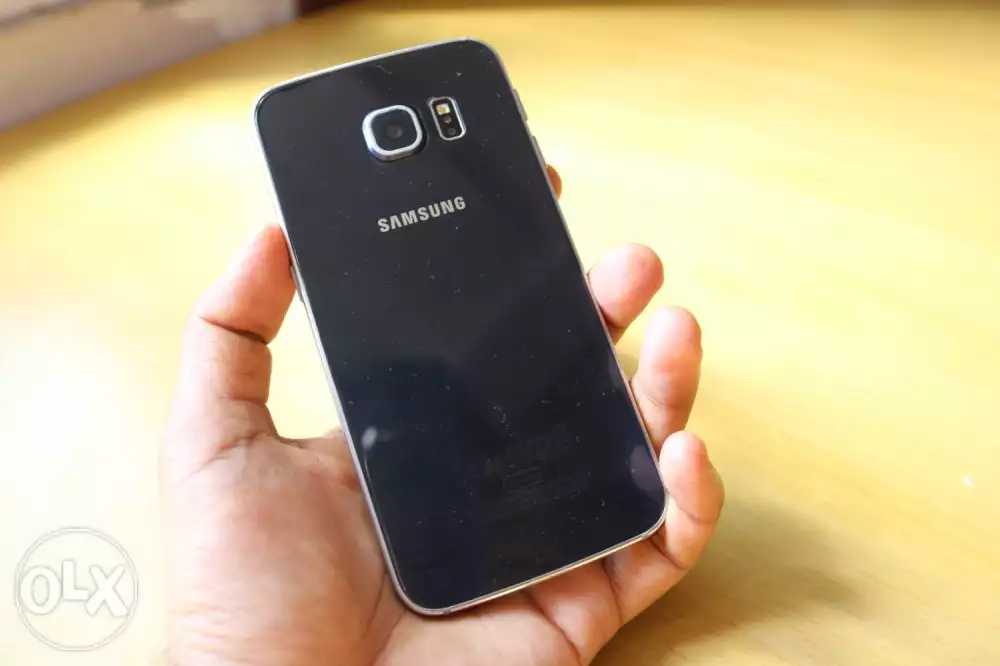
Here’s the classic smartphone buying dilemma: spend Rs 25,000 on a current mid-range phone with new software and warranty, or spend the same money on a last-generation flagship that originally cost Rs 60,000? Both approaches have real merit — and the right answer depends on what you actually use your phone for.
Short Answer: For most buyers in 2026, a current mid-range phone (Redmi Note 14 Pro, Samsung Galaxy A55, or OnePlus Nord 4) beats a 2-3 year old flagship at the same price — newer security updates, better software support timeline, and current camera processing give it the edge.
Where Last Year’s Flagship Wins
A flagship phone from 18-24 months ago can legitimately be better in specific areas:
- Build quality: Premium materials (glass back, metal frame, IP68 water resistance) that current mid-rangers at the same price often skip
- Display: LTPO variable refresh rate, higher peak brightness, better color accuracy — mid-rangers still compromise here in 2026
- Chip performance: A Snapdragon 8 Gen 1 (2022 flagship) is still faster than a Snapdragon 7s Gen 3 (2024 mid-range) for heavy tasks
- Camera hardware: Larger sensors and better optical zoom on older flagships vs. hardware compromises in mid-range
📸 SCREENSHOT NEEDED: Side-by-side comparison showing a 2022 Samsung Galaxy S22 (older flagship) and a 2024 Redmi Note 14 Pro (current mid-range) at similar price points
Where Current Mid-Range Wins
The argument for buying new at a lower tier:
- Software support timeline: A phone released today will receive security updates and OS upgrades for 3-5 more years. A 2022 flagship is already 2+ years in and approaching end-of-support
- Camera processing: Computational photography has improved dramatically — newer chips process photos better even on smaller sensors. A mid-ranger with 2024 image processing can beat a 2022 flagship camera in everyday shots
- Battery technology: Current mid-rangers ship with larger batteries and faster charging than similarly priced old flagships
- Warranty and service: New phone = full warranty, known condition, official support. Refurbished flagships vary in condition
- 5G modem efficiency: Newer chips are significantly more efficient — less battery drain on 5G networks
The Software Support Reality Check
This is the argument that most people overlook. In India, Samsung offers 4 OS updates for flagship Galaxy S series and only 2 for older A-series. A Galaxy S22 bought today as a “value flagship” may receive its last major update in 2025 or 2026. A Redmi Note 14 Pro or Samsung Galaxy A55 bought new in 2024 runs MIUI 2026 or One UI 7 and will receive updates through 2027-2028.
The Sweet Spot:
The best value in smartphones in 2026 is the Rs 20,000-35,000 segment from Redmi Note, Samsung Galaxy A, and OnePlus Nord lines — these phones have better specs per rupee than anything else, and better software support than comparably priced used flagships.
When to Buy a Refurbished Old Flagship
The older flagship route makes sense if: you specifically need features only flagships had (IP68 waterproofing, periscope zoom lens, LTPO display) and can’t afford a current flagship; you’re buying from a reputable refurbisher with a warranty; and the phone is at most 2 years old (ensuring 1-2 more years of updates).
Don’t buy a 3+ year old flagship as a “value” phone — you’re buying into a device that’s 6-12 months from security update abandonment.
Warning: Always check a phone’s End of Support date before buying refurbished. Samsung’s software update page and Xiaomi’s support portal both list exact update end dates per model.
Quick checklist:
- ✅ Check software update end date before buying any refurbished phone
- ✅ Current mid-range beats old flagship for: software support, camera processing, battery life
- ✅ Old flagship beats mid-range for: build quality, display, raw performance ceiling
- ✅ Don’t buy a 3+ year old flagship — it’s approaching end of security updates
- ✅ Best value zone in India: Rs 20,000-35,000 new mid-range phones in 2026
Frequently Asked Questions
Is a refurbished phone safe to buy?
Yes, if from a reputable source. Amazon Renewed, Cashify, and manufacturer-certified refurbishers offer return policies and short warranties. Avoid individual sellers without any warranty for phones above Rs 15,000.
Which current mid-range phones are worth buying in 2026?
Redmi Note 14 Pro 5G, Samsung Galaxy A55 5G, OnePlus Nord 4, and Poco X7 Pro consistently offer the best specs-per-rupee in the Rs 20,000-30,000 range in India as of 2026.
Does chipset age matter for day-to-day use?
For typical use (social media, calling, photography, streaming), a 2022 or 2023 flagship chip remains more than adequate in 2026. Raw chip performance differences only matter for gaming, 4K video editing, or other demanding tasks.
More Smartphone Guides ↗Back to Techtippr
The software support timeline should be the deciding factor for most buyers. A phone that stops receiving security patches in 12 months is a security risk regardless of how good the hardware was when it launched. If budget is the priority, a current mid-range phone with a 3-4 year update commitment is the responsible choice over a spec-impressive old flagship running on borrowed time.
Recommended for you
Video Editing Services
Human-led video editing from ₹399 per finished minute for YouTube, Shorts, talking-head videos, brand films and documentaries.
Our Product