
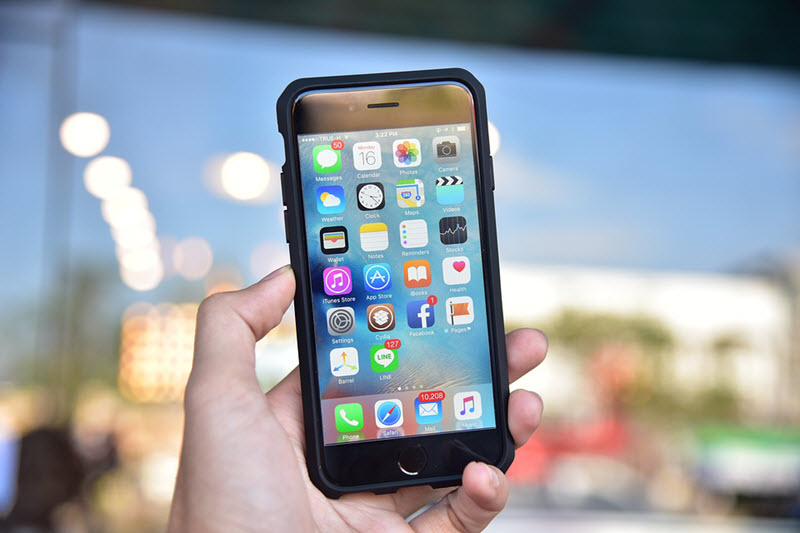
A smartphone can be the most powerful productivity tool you own — or the biggest source of distraction in your life. The difference is entirely in how you set it up and use it. Here’s a practical system for using your phone to stay organized without letting it take over your attention.
Short Answer: The most effective smartphone organization system uses: one trusted to-do app (not your brain), a structured home screen with only essential apps, calendar for all commitments, and a daily review habit. The goal is a phone that captures everything but demands your attention only when you invite it.
1. Pick One To-Do App and Actually Use It
The biggest mistake is half-using multiple apps. Pick one and commit. The best options in 2026:
- Todoist — best overall, works on all platforms, natural language input (“buy milk tomorrow at 6pm”)
- Google Tasks — free, integrates with Gmail and Google Calendar, simple but effective
- Apple Reminders — excellent if you’re in the Apple ecosystem, location-based reminders work well
- Notion — for people who want to combine tasks, notes, and project management
The rule: anything that requires action goes into the app immediately — not into your head, not as a text to yourself. Your brain is for thinking, not for storing task lists.
📸 SCREENSHOT NEEDED: Todoist app showing a clean task list organized by project with due dates — Today view showing prioritized tasks
2. Use Your Calendar for Everything with a Time
To-do apps handle tasks; calendars handle events and time blocks. Anything with a specific time — meetings, appointments, deadlines, even dedicated work blocks — should be on the calendar. Google Calendar and Apple Calendar both support:
- Recurring events (weekly gym, team calls)
- Multiple calendars color-coded by life area (work, personal, health)
- Reminders 15-30 minutes before events
- Location-based events that show estimated travel time
3. Declutter Your Home Screen
A cluttered home screen means constant visual noise and decision fatigue every time you unlock your phone. The system that works:
Page 1: Only apps you use every single day — Phone, Messages, Camera, your calendar, to-do app, music, and browser. Maximum 12-16 apps.
Page 2 or App Drawer: Everything else. If you use it, you can find it by searching (swipe down and type the app name).
Remove social media apps from your home screen. Keep them in the drawer or a folder. The friction of finding them is often enough to break the mindless-open habit.
📸 SCREENSHOT NEEDED: Clean minimal home screen with 12 icons in a 3×4 grid — only essential daily apps, no folders or clutter
4. Set Up Notification Triage
Notifications are the biggest source of smartphone-driven distraction. The system:
- Calls and direct messages from real people: Allow, with sound
- Apps with time-sensitive alerts (calendar, banking): Allow, silent
- Everything else (social media, news, apps): Off
Go to Settings → Apps → Notifications and go through every app once. You’ll be surprised how many apps have notification permission you never intended to give them.
5. Use Voice Assistants for Capture
The best time to capture a thought or task is the moment it occurs to you — not later when you’ve forgotten it. “Hey Siri, remind me to call the doctor at 10am tomorrow” or “OK Google, add ‘buy birthday gift for Priya’ to my shopping list” takes 5 seconds and reliably lands in your system.
Weekly Review:
The system only works if you spend 10 minutes every Sunday reviewing: check next week’s calendar, clear your to-do list inbox, and set 3 priorities for the week. Without a weekly review, tasks pile up and the system becomes unreliable.
Quick checklist:
- ✅ Choose one to-do app and use it for every action item — no exceptions
- ✅ Calendar for everything with a specific time, to-do app for tasks
- ✅ Home screen: only daily apps on page 1, everything else searchable
- ✅ Notifications: allow only from people and time-sensitive apps
- ✅ 10-minute weekly review: next week’s calendar + 3 priorities
Frequently Asked Questions
What’s the best free to-do app for Android?
Google Tasks is the simplest and most reliable free option, especially if you already use Gmail. Todoist’s free tier is more capable but limits projects to 5. Microsoft To Do is excellent and fully free with a Microsoft account.
How do I stop checking my phone constantly?
The combination that works: keep the phone out of reach during focused work (in another room or bag), turn off all social media notifications, and use Android’s Digital Wellbeing or iPhone’s Screen Time to set daily limits for specific apps. Friction is the key — make checking require effort.
Should I use separate apps for work and personal tasks?
One app with separate projects or lists for work vs personal is simpler and more reliable than two apps. The daily review habit catches everything regardless of category.
More Android Productivity Tips ↗Back to Techtippr
The system only needs three things to work: a place for every task (your to-do app), a place for every commitment (your calendar), and 10 minutes each week to review them. Everything else — home screen organization, notification triage, voice capture — makes the system faster and easier to maintain. Start with the to-do app and calendar. The rest follows naturally.