
Storage prices — SSDs, hard drives, and memory cards — are rising fast in 2026 because AI data centers are buying up the world’s supply. Memory makers have shifted production toward high-bandwidth memory for AI chips, starving the consumer market. Consumer SSDs have roughly doubled since late 2025 and hard drives are up around 50%, with much of 2026’s production already sold out to AI companies. The shortage is expected to last for years. Cloud storage helps for backups and syncing but isn’t a true cure — it’s a rental, and the cloud giants are the very buyers driving the shortage. The smartest move is to buy only what you need now, lean on external and hybrid drives, and declutter what you already have.
If you’ve shopped for an SSD, a memory card, or an external hard drive lately, you’ve probably had the same reaction: sticker shock. Drives that cost $45 a year ago now sit near $90. Hard drives are at two-year price highs. This isn’t your imagination or a bad sale week — it’s a genuine, industry-wide storage shortage, and it’s one of the biggest tech stories of 2026. Here’s exactly why storage prices are rising, whether cloud storage is the answer, and what you can actually do about it.
How Bad Is the Storage Price Surge?
The numbers are genuinely startling. On the SSD side, NAND flash — the chips inside every solid-state drive and memory card — saw contract prices jump 70–75% quarter-over-quarter in the second quarter of 2026, according to industry trackers. For shoppers, that has meant consumer SSD prices roughly doubling: a mainstream 1TB drive that cost around $45 in late 2025 now runs close to $90, and some models have more than doubled within a few months.
Hard drives tell the same story. HDD prices have climbed roughly 46–50% since September 2025, hitting their highest levels in two years. Worse, the supply itself has dried up: Western Digital and Seagate have confirmed that essentially their entire 2026 hard-drive production is already sold out — snapped up by AI data centers — with lead times on some high-capacity drives stretching to twelve months. And it’s not just storage: with DRAM, NAND, and GPUs all squeezed at once, PC makers like Dell and Lenovo have already raised laptop and desktop prices by 15–20%.
| Storage type | What’s happened | Why |
|---|---|---|
| Consumer SSD (NAND) | ~Doubled since late 2025 (1TB: ~$45 → ~$90) | NAND capacity diverted to AI |
| Hard drives (HDD) | Up ~46–50%, two-year highs; 2026 supply sold out | Data centers buying in bulk |
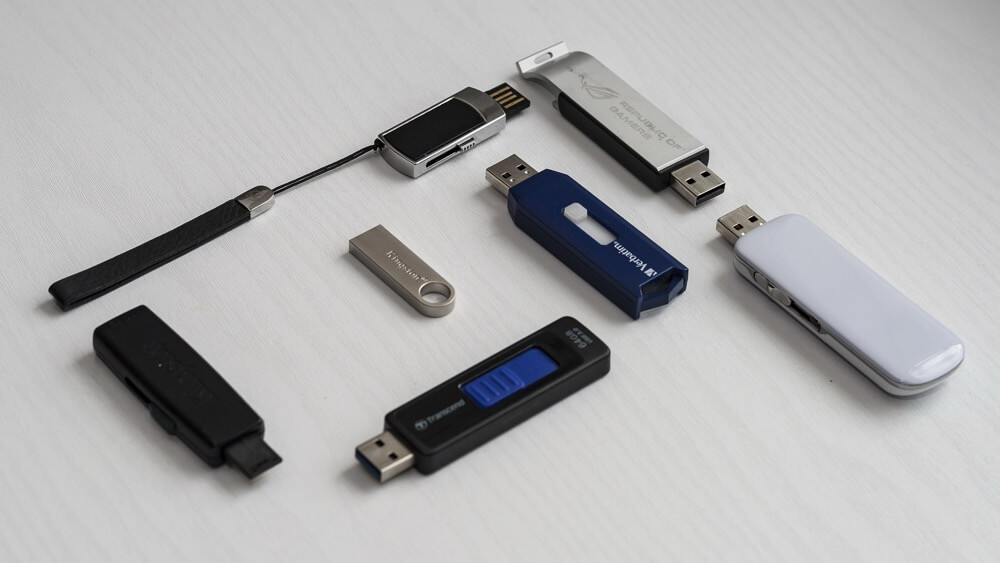
| Memory cards / USB | Rising with NAND prices | Same NAND shortage |
| Whole PCs | Prices up 15–20% | DRAM + NAND + GPU squeeze |
Why Are Storage Prices Rising? The Real Reasons
The single biggest reason storage prices are rising in 2026 is artificial intelligence — specifically, the explosion of AI data centers. Training and running large AI models demands enormous, fast storage: an AI server can require eight to ten times more storage than a traditional server, because it has to feed massive datasets to its chips at high speed. Multiply that across the thousands of data centers being built worldwide and you get an unprecedented, near-bottomless appetite for drives and memory chips.
That demand alone would strain supply. But there’s a second, more structural cause. The three companies that make most of the world’s memory — Samsung, SK Hynix, and Micron — have limited factory (cleanroom) capacity, and they’ve been reallocating it toward High Bandwidth Memory (HBM), the ultra-fast memory that AI accelerator chips need. Every wafer redirected to HBM for AI is a wafer not making the NAND and DRAM that consumer SSDs, memory cards, and laptops rely on. The result is a supply crunch that’s baked into how the industry has chosen to invest.
Unlike a temporary shortage, this one is contractual and long-term. Major buyers have locked in supply agreements stretching into 2027 and 2028, and little new factory capacity is expected before 2027. The CEO of one large flash-controller maker has warned that supply could stay tight for the next ten years. In other words, this is the new normal, not a passing spike.
Is Cloud Storage the Answer?
If local storage is getting expensive, the obvious question is: why not just move everything to the cloud? It’s a fair instinct, and for some situations cloud storage genuinely helps. But calling it “the solution” to the storage crisis misunderstands what’s actually happening — and hides a few catches worth knowing before you commit.
So far, consumer cloud prices have stayed relatively stable. Google One still offers 2TB for about $9.99 per month and Dropbox around $11.99 for the same, so on the surface the cloud looks like it dodged the price surge. But there’s an uncomfortable irony: the cloud providers are the very companies buying up the world’s hard drives and SSDs. They face the same rising hardware costs as everyone else — they’re just absorbing it for now. As their input costs climb, upward pressure on cloud subscription prices is a matter of when, not if.
The case against cloud
- It’s a rental — you pay every month forever, and over a few years that often exceeds the one-time cost of a drive
- Providers face the same hardware shortage, so prices may rise
- You need internet, and large libraries are slow to up/download
- Less control and privacy over your own files
Where cloud helps
- Off-site backup of your most important files (the 3-2-1 rule)
- Syncing documents and photos across devices
- Offloading a large photo/video library so your phone or laptop needs less local space
- Sharing and collaboration without moving physical media
The honest verdict: cloud storage is a partial solution, not a cure. It’s excellent for backup, syncing, and offloading media — and using it well can genuinely reduce how much expensive local storage you need to buy. But it doesn’t make the underlying scarcity go away; it converts a one-time hardware cost into a permanent subscription, and it rides on the same strained supply chain. For most people the right answer isn’t cloud instead of local storage, but a smart blend of both.
What You Can Actually Do About It
You can’t fix a global shortage, but you can avoid overpaying and get more out of the storage you already own. Here’s the practical playbook for 2026:
- Check what’s actually using your space before buying — storage tools on Windows, Mac, iPhone and Android show you
- Prefer external drives over internal upgrades when the need is media or backup
- Follow the 3-2-1 backup rule (3 copies, 2 types, 1 off-site) rather than one giant drive
- Avoid the cheapest no-name drives — in a shortage, dodgy sellers and fakes multiply
- If an upgrade is only marginal, wait — relief may come in late 2026
Should You Buy Storage Now or Wait?
It depends on whether you actually need the space. If you need storage now — your drive is full, or a project demands it — buy it now, because prices are more likely to keep rising than to fall soon. Analysts expect mainstream 1TB and 2TB SSD prices to stay firm through much of 2026, with the first realistic window for relief only in late 2026, and no return to 2024 prices within the next 12–18 months. Waiting for a big drop is a gamble you’ll probably lose.
If your current laptop or PC is working fine and you were only tempted by a marginal capacity bump, the shortage is a good reason to wait, not to spend. Reclaim space by decluttering and offloading to the cloud instead, and revisit the upgrade when supply loosens.
Frequently Asked Questions
Why are SSD and hard drive prices going up in 2026?
Because AI data centers are consuming the world’s storage supply. Memory makers shifted factory capacity toward high-bandwidth memory for AI chips, shrinking the pool of NAND and DRAM for consumer drives, while data centers bought up most of 2026’s hard-drive production. High demand plus constrained supply equals sharply higher prices.
Will storage prices come back down?
Not soon. Supply is locked up by long-term contracts into 2027 and 2028, and little new factory capacity arrives before 2027. Some relief may appear in late 2026, but prices are not expected to return to 2024 levels within 12–18 months — and industry leaders warn tight supply could persist for years.
Is cloud storage cheaper than buying a drive?
Over a short period, sometimes; over years, usually not. Cloud is a subscription you pay forever, so its lifetime cost often exceeds a one-time drive purchase. It’s best used for backup, syncing, and offloading media — not as a wholesale replacement for local storage. A hybrid of local drives plus modest cloud backup is the most cost-effective approach for most people.
Are memory cards and USB drives affected too?
Yes. Memory cards, microSD cards, and USB flash drives all use NAND flash, the same chips in SSDs, so they’re subject to the same shortage and price pressure. Buy the capacity you need when you find a fair price rather than waiting for a sale that may not come.
Who Feels the Storage Crisis Most
The storage price surge lands hardest on the people who need the most space. Content creators — video editors, YouTubers, photographers — burn through terabytes of footage and RAW files, and they’re now paying roughly double to expand their working drives and archives. If that’s you, external drives for finished projects and a disciplined cloud-backup routine will cushion the blow far better than repeatedly upgrading internal storage.
Gamers feel it too. Modern games routinely top 100–200GB, so a full game library eats SSD space fast — and SSD upgrades are exactly what’s gotten expensive. Photographers and videographers face pricier memory cards, since microSD and SD cards use the same NAND flash as SSDs. And anyone buying a new phone, tablet, or laptop is quietly paying more: manufacturers charge a premium for higher storage tiers, and those premiums are climbing along with chip costs. Across the board, the lesson is the same — buy the capacity you truly need, and offload everything else you can.
Does this affect phone and laptop storage tiers?
Yes, indirectly but noticeably. The chips inside phones and laptops come from the same squeezed NAND and DRAM supply, so higher-storage models cost more to build — and several PC makers have already raised prices 15–20%. If you’re buying a device, weigh whether you can live with a smaller built-in tier and offload media to an external drive or the cloud, rather than paying the inflated premium for the largest option.
The Bottom Line
The 2026 storage price surge is real, it’s driven by the AI boom rather than any single company’s greed, and it’s likely to be with us for years rather than months. SSDs have roughly doubled, hard drives are up around half, and much of this year’s supply is already spoken for. Cloud storage is a useful pressure valve — great for backups and offloading — but it’s a rental riding the same strained supply chain, not a cure for the underlying scarcity.
The winning strategy is unglamorous but effective: buy only the storage you genuinely need right now, lean on cheaper external and hybrid options, ruthlessly declutter what you already own, and back up smartly with a blend of local and cloud. Do that, and you’ll ride out the shortage without paying the full “AI tax” on every gigabyte.
Recommended for you
Video Editing Services
Human-led video editing from ₹399 per finished minute for YouTube, Shorts, talking-head videos, brand films and documentaries.
Our Product