
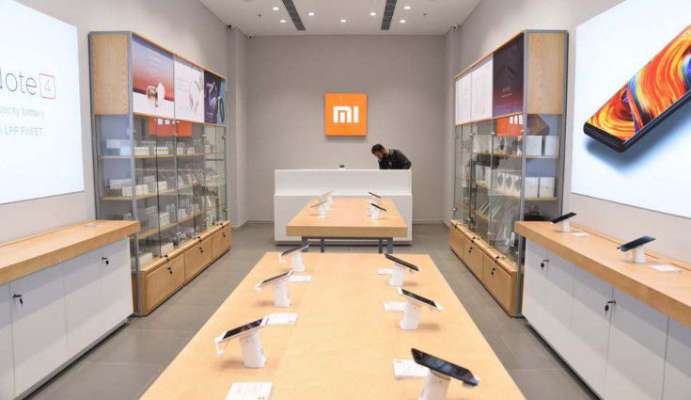
A flagship-spec phone for half the price of a Samsung or Apple. Xiaomi consistently defies expectations on hardware pricing — and it’s not because they’re cutting corners in ways you’d notice. There’s a real business model behind it, and understanding it explains a lot about what you’re actually buying.
Short Answer: Xiaomi subsidizes hardware costs through software revenue — ads, app store commissions, Mi Finance products, and services bundled into MIUI/HyperOS. They also save on retail markup by selling primarily online and direct, and operate on razor-thin hardware margins that traditional brands don’t accept.
1. Software and Services Revenue
The most significant factor: Xiaomi makes money from the software running on your phone, not just the hardware. Their phones come with a custom Android skin (MIUI/HyperOS) that includes:
- Advertising in pre-installed apps and the lock screen magazine
- GetApps (Xiaomi’s app store) — they earn a cut of in-app purchases and premium apps
- Mi Finance, Mi Credit, and insurance products in markets like India
- Mi Video, Mi Music, and other content services with subscription revenue
This lets Xiaomi sell hardware at near cost and make up the margin through software — similar to how Amazon prices Kindle readers cheaply because they make money selling content on them.
2. Online-First Sales Strategy
Apple and Samsung have significant retail infrastructure — flagship stores, carrier partnerships, distributor margins, and shelf space fees. All of these add cost to the final consumer price.
Xiaomi pioneered the “flash sale” model in India and China — selling phones exclusively online in limited batches. No retail middleman markup, no physical store overhead, no carrier subsidies. Direct-to-consumer means more margin that can be passed to the buyer or used to improve specs.
India Effect:
Xiaomi’s growth in India was driven almost entirely by flash sales on Flipkart and Mi.com. By creating artificial scarcity and cutting all distribution middlemen, they could offer specs that would typically cost Rs 25,000 for Rs 12,000.
3. Accepted Low Hardware Margins
Traditional smartphone brands typically aim for 40-60% gross margin on hardware. Apple’s iPhone hardware margin is estimated at over 50%. Xiaomi has publicly stated they cap hardware profit at 5% — meaning the hardware itself barely turns a profit, and everything else is covered by ecosystem revenue.
This is a deliberate strategic choice, not an accident of scale. They built the business model around it from the beginning.
📸 SCREENSHOT NEEDED: Chart comparing typical hardware margin percentages — Apple/Samsung at 40-50% vs Xiaomi’s stated 5% cap
4. Efficient Supply Chain and High Component Volume
Xiaomi is one of the world’s largest smartphone manufacturers — top 3 globally by shipment volume. At that scale, component purchasing power matters enormously. They buy Snapdragon chips, AMOLED panels, and camera sensors in quantities that give them pricing leverage similar to Samsung (which makes many of its own components).
They also move components quickly between product lines — a chipset used in a flagship one year appears in a budget phone the next, amortizing R&D costs across more units.
5. Minimal Marketing Spend
Xiaomi built its early brand through online communities, word-of-mouth, and tech media coverage — not through traditional advertising campaigns. They spent a fraction of what Samsung and Apple spend on marketing, especially in the early years. Their fans (Mi Fans) became organic brand advocates.
The Trade-offs to Know About
The model isn’t without cost to the buyer:
- Pre-installed ads and bloatware — the price of software revenue model (though mostly disable-able)
- Slower OS updates — custom MIUI/HyperOS skin means updates lag behind stock Android
- Data privacy concerns — Xiaomi has faced scrutiny over data collection practices in their apps
- Shorter software support — typically 3 years vs Samsung’s 7-year commitment on flagships
Warning: Xiaomi was flagged by regulators in Lithuania and India for data privacy practices in 2021. They’ve since updated their policies, but if data privacy is a priority, review their current privacy settings and use non-Xiaomi browsers and apps.
Quick checklist:
- ✅ Xiaomi’s cheap hardware is subsidized by software/services revenue
- ✅ Direct online sales cut out retail middlemen and distribution margins
- ✅ 5% hardware margin cap is a stated strategic policy, not a cost-cutting accident
- ✅ High component volume gives Xiaomi pricing power similar to larger brands
- ✅ Ads and limited OS updates are the real trade-offs of the low price
Frequently Asked Questions
Is Xiaomi quality as good as Samsung?
At equivalent price points, Xiaomi hardware quality is generally comparable or better — more RAM, larger battery, higher-res camera for the money. Samsung’s advantage is software support longevity (7 years), one UI polish, and ecosystem integration.
Does Xiaomi sell your data?
Xiaomi collects usage and device data for their services, as disclosed in their privacy policy. They’ve faced regulatory scrutiny but maintain they don’t sell user data to third parties. Using non-Xiaomi apps minimizes data collection exposure.
Will Xiaomi phones stay cheap as the company grows?
Xiaomi has introduced premium sub-brands (Xiaomi 14 Ultra, Xiaomi 15 Pro) at flagship prices. The Redmi and POCO sub-brands maintain the budget positioning. The overall price advantage is likely to persist — their business model depends on volume.
More Smartphone Tips ↗Back to Techtippr
Xiaomi’s pricing isn’t magic — it’s a deliberate bet that software revenue can subsidize hardware costs. That bet has paid off at scale. For buyers, the result is genuinely excellent hardware at prices that make traditional brands look overpriced. The trade-off is accepting some software monetization, most of which can be turned off if you know where to look.