
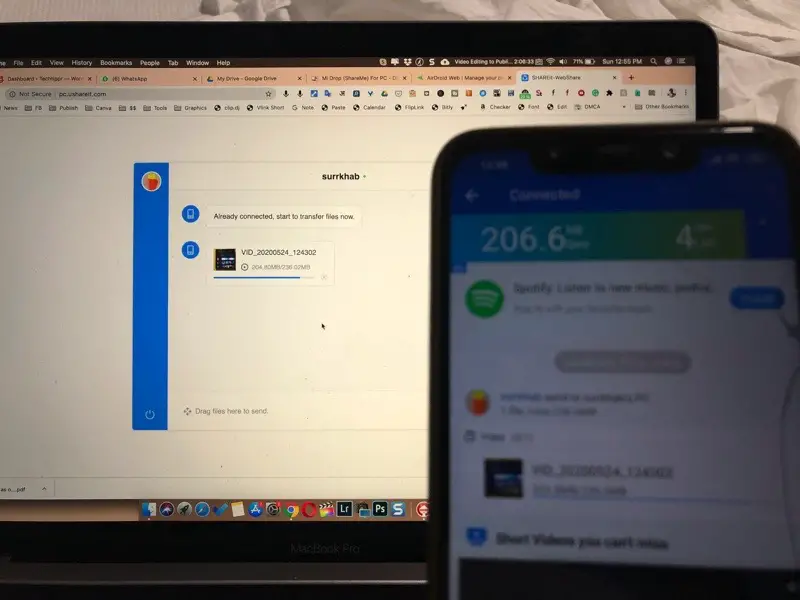
- 01What Is SHAREit for PC?
- 02Why People Use SHAREit
- 03How to Set Up SHAREit on PC and Mobile
- 04Best Practices for Faster Transfers
- 05Common SHAREit Problems (and Fixes)
- 06Security Notes You Shouldn’t Ignore
- 07When SHAREit Is a Good Choice
- 08When to Use Alternatives Instead
- 09Workflow Tip for Creators
- 10Internal Reads You May Like
- 11Quick FAQ
- 12Final Thoughts
- 13Step-by-Step Example: Move 5GB Camera Footage from Phone to PC
- 14How to Keep Transfers Organized
- 15SHAREit vs USB Cable: Which Should You Use?
- 16Troubleshooting Checklist (Quick Rescue)
- 17Privacy Tip for Shared Networks
- 18Final Practical Advice
- 19Mini FAQ for Daily Transfer Users
Meta Description: Learn how to use SHAREit on PC to transfer files between Android/iPhone and computer. Step-by-step setup, speed tips, troubleshooting, and safer alternatives included.
Transferring files between mobile and PC should be simple, but in real life it often turns into cable issues, driver popups, slow Bluetooth transfers, or endless email-to-self hacks.
That’s why tools like SHAREit for PC became popular—they offer quick wireless transfers without needing a USB cable every time.
In this guide, I’ll show you how to set it up, use it properly, avoid common issues, and keep your transfer workflow secure.
What Is SHAREit for PC?
SHAREit is a file transfer app that allows cross-device sharing over local wireless connections. You can move photos, videos, documents, and app files between phone and computer quickly.
Primary keyword: SHAREit for PC file transfer
Secondary keywords: transfer files between phone and computer wirelessly, SHAREit setup on Windows, send files from Android to PC, SHAREit alternatives
Why People Use SHAREit
- Faster than traditional Bluetooth for large files
- No USB cable dependency
- Useful for bulk photo/video transfer
- Works for cross-platform sharing
How to Set Up SHAREit on PC and Mobile
- Install SHAREit on your PC from trusted source.
- Install SHAREit on your mobile phone.
- Ensure both devices are on same Wi-Fi network (or local transfer mode).
- Open app on both devices and connect.
- Select files to send and start transfer.
Once connected once, repeat transfers become much faster.
Best Practices for Faster Transfers
- Stay close to router for stable speed
- Avoid heavy network traffic during big transfers
- Transfer in batches for better error handling
- Keep both devices awake during transfer
- Prefer local network over hotspot relay where possible
Common SHAREit Problems (and Fixes)
1) Devices not detecting each other
Check same network, firewall permission on PC, and location/Wi-Fi permissions on mobile.
2) Transfer stuck at certain percentage
Network instability is common cause. Retry with smaller batches and closer distance.
3) Slow transfer speed
Switch to less crowded Wi-Fi band and close background downloads.
4) App shows too many ads/distractions
This is a common complaint in some versions. Use cleaner alternatives if experience becomes frustrating.
Security Notes You Shouldn’t Ignore
Wireless file transfer is convenient, but always stay careful:
- Use trusted app versions only
- Avoid receiving unknown files from strangers
- Scan transferred executables before running
- Disable app discovery when not in use
- Keep system antivirus active
When SHAREit Is a Good Choice
- You often move media files from phone to PC
- You need quick one-time offline transfer
- Cable transfer isn’t practical
- You want no-login local sharing
When to Use Alternatives Instead
If you care more about clean interface, zero ads, or stronger ecosystem integration, alternatives may be better:
- Nearby Share / Quick Share
- Snapdrop (browser-based)
- AirDroid
- Google Drive / OneDrive for cloud sync
- USB direct transfer for max reliability
Workflow Tip for Creators
If you transfer media for content creation daily, build folder discipline:
- From Phone Raw
- Edited Files
- Ready to Publish
Then use SHAREit only for ingest stage. This keeps file chaos under control.
Internal Reads You May Like
- Best Ways to Transfer Files Wirelessly
- Transfer Large Files from Android to Mac
- Share Files Between Android and iPhone
- Original SHAREit for PC Post
Quick FAQ
Is SHAREit for PC free?
Most core transfer functionality is free, though app experience may vary by version.
Can I transfer files without internet?
Yes, usually via local Wi-Fi/direct connection—not external internet upload.
Is SHAREit safer than Bluetooth?
Safety depends on usage behavior and source trust, not just protocol speed.
Final Thoughts
SHAREit for PC can be a practical wireless transfer tool when set up correctly. It saves time, avoids cables, and works well for regular mobile-to-PC media movement.
Just remember: speed is great, but secure habits matter more. Use trusted builds, keep discovery controlled, and switch to alternatives if the app experience gets noisy.
Simple system, consistent transfers, less friction.
Step-by-Step Example: Move 5GB Camera Footage from Phone to PC
- Connect both phone and PC to 5GHz Wi-Fi (if available).
- Create destination folder on PC first (for example: /Video Imports/Today).
- Open SHAREit on both devices and establish connection.
- Select only footage needed, not your entire gallery.
- Start transfer and keep both devices awake.
- After transfer, verify file count and size before deleting originals.
This simple verification step prevents painful data loss later.
How to Keep Transfers Organized
Most people lose time after transfer, not during transfer. Use a naming convention:
- Date_Project_Device
- YYYY-MM-DD_EventName
- Version tags like v1, v2, final
Once this is habitual, your editing and backup process becomes dramatically faster.
SHAREit vs USB Cable: Which Should You Use?
- Use SHAREit when: you need quick wireless transfer and no cable nearby.
- Use USB when: you need maximum stability for very large files and minimal interruptions.
In real-world workflows, both methods are useful. Keep both options available.
Troubleshooting Checklist (Quick Rescue)
- Restart SHAREit on both devices
- Reboot Wi-Fi router if connection keeps dropping
- Allow app through Windows Firewall
- Re-pair app connection from scratch
- Update app version on both phone and PC
These five fixes solve most transfer failures.
Privacy Tip for Shared Networks
If you transfer files in offices, coworking spaces, or hostels, avoid open public networks for sensitive documents. Prefer personal hotspot or trusted private Wi-Fi to reduce exposure risk.
Final Practical Advice
Don’t depend on one transfer app forever. Keep one backup method ready (USB or cloud) so your workflow never stops if SHAREit fails unexpectedly after an update.
Mini FAQ for Daily Transfer Users
Can SHAREit transfer folders directly?
In most cases yes, but zipping folders first can reduce errors and keep structure intact.
Why do some files fail silently?
Unsupported file permissions, interrupted network session, or storage limits can cause this. Retry in smaller chunks.
Should I keep SHAREit always running?
No. Open when needed, then close discovery to reduce background usage and security exposure.
Once your setup is stable, file transfer stops being a chore and becomes a quick background step in your daily workflow.
That consistency matters.
Keep going.
Done.