
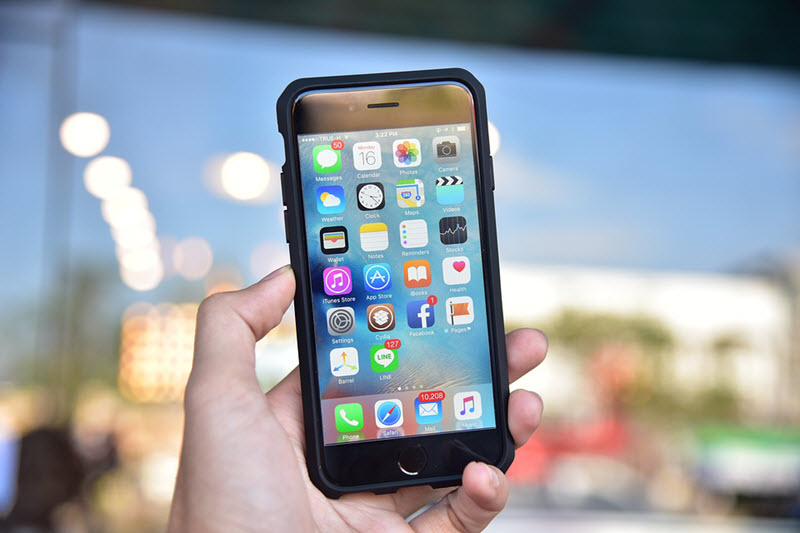
There are three main ways to get your iPhone’s screen onto a TV: AirPlay (wireless), a Lightning/USB-C to HDMI cable (wired), or a streaming stick like Apple TV or Chromecast. Here’s when to use each.
Short Answer: The easiest way to connect iPhone to TV is AirPlay — open Control Center → Screen Mirroring → select your Apple TV or AirPlay-compatible smart TV. For TVs without AirPlay, use a Lightning/USB-C to HDMI cable (~₹800–2000) or cast via Chromecast using supported apps.
Method 1: AirPlay (Wireless — Best Experience)
AirPlay is Apple’s wireless streaming protocol. It works between your iPhone and any Apple TV, AirPlay 2-compatible smart TV (most LG, Samsung, Sony TVs from 2019+), or a Mac.
- Make sure your iPhone and TV are on the same Wi-Fi network
- Swipe down from the top right of your iPhone to open Control Center
- Tap Screen Mirroring (the rectangle with a triangle icon)
- Select your TV from the list of available devices
- If prompted, enter the AirPlay code shown on your TV
📸 SCREENSHOT NEEDED: iPhone Control Center with Screen Mirroring button highlighted and a list of available AirPlay devices showing
Screen Mirroring shows everything on your iPhone screen. For audio/video streaming specifically (without mirroring the whole screen), tap the AirPlay icon directly inside apps like YouTube, Netflix, or Photos.
Method 2: Lightning or USB-C to HDMI Cable (Wired)
For TVs without AirPlay or when you want a lag-free, reliable connection, a wired adapter works on any TV with an HDMI port.
- iPhone 14 and earlier: Lightning to HDMI adapter (Apple Digital AV Adapter ~₹3,900, or third-party ~₹800–1500)
- iPhone 15 and later: USB-C to HDMI cable (widely available, ~₹500–2000)
- Connect the adapter to your iPhone
- Connect an HDMI cable from the adapter to your TV
- Switch your TV to the HDMI input
- Your iPhone screen appears on the TV automatically
📸 SCREENSHOT NEEDED: iPhone connected to a TV via Lightning to HDMI adapter with the TV showing the iPhone screen
Warning: Cheap third-party Lightning-to-HDMI adapters can be unreliable — some cause flickering or don’t work with DRM-protected content (Netflix, Disney+). Apple’s official adapter is expensive but works with everything. For USB-C (iPhone 15+), most quality USB-C to HDMI cables work fine.
Method 3: Cast to Chromecast
If your TV has a Chromecast (built-in or the Google Chromecast device), you can cast from iPhone using apps that support Google Cast:
- Make sure iPhone and Chromecast are on the same Wi-Fi
- Open YouTube, Netflix, or another cast-compatible app on iPhone
- Tap the Cast icon (a rectangle with Wi-Fi waves) in the app
- Select your Chromecast device
Note: Chromecast doesn’t support full iPhone screen mirroring (iOS doesn’t support the Cast protocol at the OS level). You can only cast from individual apps that have Cast support built in.
Method 4: Apple TV
An Apple TV ($129 / ₹14,900) plugs into any TV’s HDMI port and gives you the full AirPlay mirroring experience, plus Apple’s streaming services and apps. The best option if you’re deep in the Apple ecosystem and use your TV for streaming regularly.
Best by situation:
Modern smart TV → AirPlay (check if your TV supports it) | Any TV → HDMI cable | Netflix/YouTube casting → Chromecast Cast icon | Apple household → Apple TV
How to Check If Your TV Supports AirPlay
Go to Settings → AirPlay → AirPlay & HomeKit settings on your smart TV, or look for the AirPlay 2 badge on the TV’s box/manual. Alternatively, after Step 3 above, check if your TV’s name appears in iPhone’s Screen Mirroring list — if it shows up, AirPlay is supported.
FAQ
Why doesn’t my iPhone find my Apple TV in Screen Mirroring?
Both devices must be on the same Wi-Fi network. Check that your TV’s Wi-Fi is connected, and that Bluetooth is enabled on your iPhone (AirPlay device discovery uses Bluetooth). Restart both devices if the issue persists.
Can I watch Netflix from my iPhone on a non-smart TV?
Yes — use the Lightning/USB-C to HDMI cable method. Plug in, switch to the HDMI input, open Netflix on your iPhone and it mirrors to the TV.
Does AirPlay reduce video quality?
AirPlay 2 streams up to 4K HDR on compatible TVs and Apple TV 4K. On a typical home Wi-Fi network, you won’t notice quality degradation compared to a cable connection.
Quick checklist:
- ✅ Check if your smart TV has AirPlay 2 support (most TVs from 2019+)
- ✅ For AirPlay: both devices must be on the same Wi-Fi network
- ✅ For any TV: USB-C to HDMI (iPhone 15+) or Lightning to HDMI adapter
- ✅ Use the Cast icon in YouTube/Netflix for Chromecast — it streams directly, better quality than mirroring
More iPhone Tips ↗ ↗Best Streaming Devices
Conclusion
AirPlay is the most seamless option if your TV supports it — no cables, lag-free, and works with any app. For guaranteed compatibility with any TV, the HDMI cable is the reliable fallback. Check your TV’s AirPlay support first; it’s more widely available than most people realize. See our guide on iPhone tips for more ways to get the most from your iPhone.