
Publishing a good video is half the battle. Without proper optimization, great content sits unwatched. YouTube’s algorithm responds to specific signals — here’s how to send the right ones.
Short Answer: The three highest-impact YouTube optimization factors: a compelling thumbnail (determines click-through rate), a keyword-rich title (determines search discovery), and watch time/audience retention (the signal YouTube’s algorithm weights most heavily for recommendations). Get these right and everything else is secondary.
1. Thumbnails — The Most Important Factor
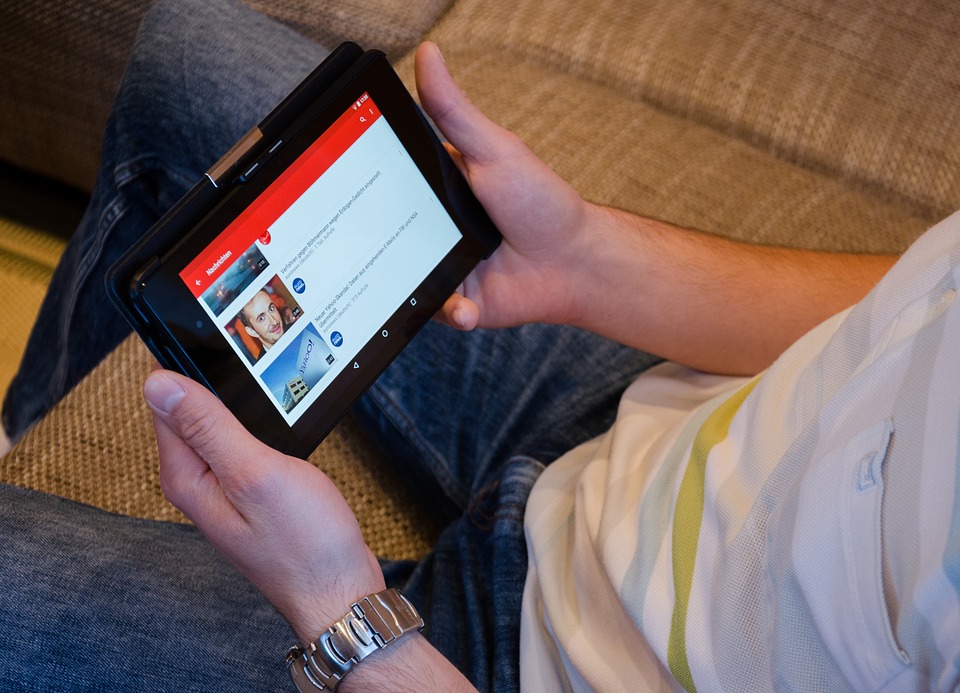
Your thumbnail is what gets someone to click. YouTube research consistently shows that click-through rate (CTR) from thumbnails is the single biggest lever for organic growth.
What makes a good thumbnail:
- High contrast — looks clear even at small size on a phone screen
- Human face showing emotion (curiosity, surprise, or enthusiasm) performs better than scenery
- Minimal, large text (under 5 words if any)
- Bright, saturated colors stand out in the feed
- Consistent visual style builds brand recognition
Design in Canva (free) at 1280x720px. Always preview at thumbnail size before publishing.
2. Titles — Keyword Research + Click Trigger
Titles serve two purposes: tell YouTube’s algorithm what the video is about, and give a human a reason to click.
Title formula that works:
- Put the main keyword toward the front: “How to Fix WiFi Calling on Android (2 Minutes)”
- Add a specific benefit or result: the parenthetical, a number, or “without X”
- Keep under 60 characters so it doesn’t get cut off in search results
Find keywords:
- Type your topic in YouTube search — the autocomplete suggestions are real search queries
- Use TubeBuddy or VidIQ free browser extensions for keyword volume data
3. Description — First 3 Lines Matter Most
The first 100–150 characters of your description appear in search results and YouTube recommendations before “Show more.” Use that space for the key benefit of the video and your primary keyword.
Description structure:
- First paragraph: what the video covers and who it helps (include main keyword naturally)
- Timestamps (chapters) — critical for watch time and for surfacing in Google search
- Links to related videos and playlists
- Secondary keywords and variations
4. Tags — Minor but Worth Doing
Tags are less important than they used to be, but add 10–15 relevant tags: main keyword, variations, related topics. First tag = most important.
5. Chapters and Timestamps
Adding timestamps in the description creates chapters in your video. This improves watch experience, keeps people watching longer, and — critically — makes your video appear in Google Search results for specific sections. Add them for any video over 5 minutes.
Format: 0:00 Intro, 1:30 What is XYZ, 4:45 Step-by-step fix
6. Audience Retention — The Algorithm’s Primary Signal
YouTube prioritizes videos that keep people watching. Check Analytics → Audience Retention to see where people drop off:
- Viewers lost in first 30 seconds usually means the intro is too slow — cut it
- Sudden drop-off at a specific point signals something boring — edit that section shorter
- Pattern interrupts (B-roll, cuts, graphics, humor) maintain attention
7. Cards and End Screens
Add cards (info icons that appear during the video) to link to related videos. Add an end screen template to all videos pointing to another video — this chains views together and signals to YouTube that your content keeps people on the platform.
📸 SCREENSHOT NEEDED: YouTube Studio End Screen editor showing template with video placeholder, subscribe button, and channel link
The first 48 hours matter most:
YouTube surfaces new videos to a sample of your existing subscribers first. If they watch, click, and engage — it gets shown to more people. Promote your video aggressively in the first 48 hours via social media, email, and community to maximize this initial push.
Quick checklist:
- ✅ Design a high-contrast thumbnail at 1280×720 in Canva — test at small size
- ✅ Put your main keyword in the first 60 characters of the title
- ✅ First 3 lines of description = key benefit + main keyword
- ✅ Add timestamps for all videos over 5 minutes
- ✅ Check Audience Retention in Analytics and cut slow sections
- ✅ Add end screen template to every video linking to another video
FAQ
How long should YouTube videos be for the algorithm?
The algorithm cares about watch time percentage (percentage of the video watched), not raw length. An 8-minute video where people watch 80% beats a 20-minute video where they watch 30%. Make videos as long as they need to be — no longer.
How often should I post on YouTube to grow?
Consistency matters more than frequency. One quality video per week is better than three mediocre videos. Don’t sacrifice quality for posting frequency — YouTube rewards watch time, not upload count.
What’s the best time to post YouTube videos?
Check your YouTube Analytics → Audience → When your viewers are on YouTube. Post 2–3 hours before your peak traffic window so the video has time to get initial traction. For most channels, Thursday–Saturday afternoons tend to perform well — but your specific audience data overrides any general rule.
How to Start a YouTube Channel ↗Best Free Video Editing Software
Thumbnails and audience retention are the two highest-leverage improvements for most channels. A better thumbnail increases clicks immediately; cutting the slow parts of your videos keeps people watching longer, which triggers the algorithm to show your content to more people.
Recommended for you
Video Editing Services
Human-led video editing from ₹399 per finished minute for YouTube, Shorts, talking-head videos, brand films and documentaries.
Our Product