
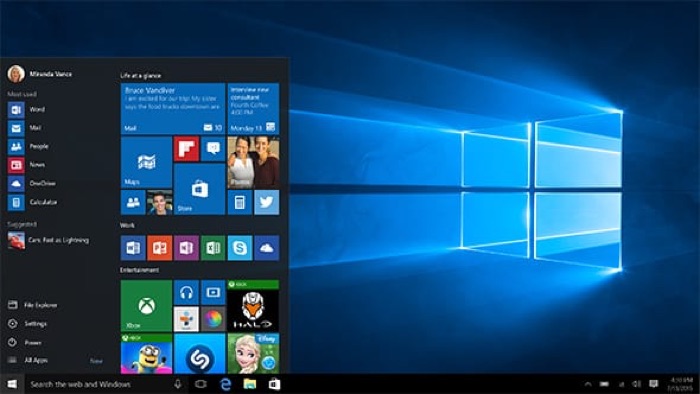
Short Answer: On Windows 11: Settings → Personalisation → Colours → Choose your mode → select Dark. On Windows 10: Settings → Personalisation → Colours → Choose your colour → Dark. Both take effect instantly with no restart required.
How to Enable Dark Mode on Windows 11
Quick steps — Windows 11:
Start → Settings → Personalisation → Colours → Choose your mode → Dark
- Press Windows key + I to open Settings, or right-click the desktop and choose Personalise.
- Click Personalisation in the left sidebar.
- Click Colours.
- Under “Choose your mode,” select Dark.
The change applies immediately. Windows 11 dark mode covers the Start menu, taskbar, Settings, File Explorer, and most built-in apps. Third-party apps may have their own dark mode settings that are separate.
📸 SCREENSHOT NEEDED: Screenshot: Windows 11 Settings → Personalisation → Colours screen with Dark mode selected
How to Enable Dark Mode on Windows 10
Quick steps — Windows 10:
Start → Settings → Personalisation → Colours → Choose your colour → Dark
- Click Start and open Settings (gear icon).
- Go to Personalisation.
- Click Colours in the left menu.
- Under “Choose your colour,” select Dark.
📸 SCREENSHOT NEEDED: Screenshot: Windows 10 Settings → Personalisation → Colours with the three options: Light, Dark, Custom
Use Custom Mode to Mix Light and Dark
Both Windows 10 and 11 have a Custom mode that lets you set the Windows mode and the app mode independently. This is useful if you want:
- Dark taskbar and Start menu, but light app windows
- Dark apps, but light taskbar
Select Custom under “Choose your mode” (Windows 11) or “Choose your colour” (Windows 10), then you’ll see separate dropdowns for Windows mode and App mode.
Enable Dark Mode in Specific Apps
Enabling system dark mode doesn’t automatically affect all apps. Some have their own setting:
- Google Chrome: Chrome follows the system setting automatically. If it’s not working, go to Chrome Settings → Appearance → Device theme.
- Microsoft Office: File → Account → Office Theme → Black or Dark Grey.
- Outlook: File → Office Account → Office Theme → Black.
- VS Code: Ctrl+Shift+P → Color Theme → select a dark theme.
- Notepad: On Windows 11, Notepad has a built-in dark mode: Settings (gear icon) → App theme → Dark.
Enable Dark Mode for Websites (All Browsers)
Many websites don’t have their own dark mode. For those, you can force dark mode across the web:
- Chrome: Install the Dark Reader extension (darkreader.org) — it adds dark mode to every website.
- Edge: Has built-in web dark mode at Settings → Appearance → Enable dark mode for websites.
- Firefox: Install the Dark Reader add-on from the Firefox Add-ons store.
📸 SCREENSHOT NEEDED: Screenshot: Dark Reader extension active in Chrome, showing a website in dark mode with the extension popup open
Warning: Some websites use light backgrounds intentionally for readability (like Google Docs). Dark Reader can occasionally make text hard to read on these sites — use the extension’s per-site toggle to disable it on specific pages.
Quick checklist:
- ✅ Windows 11: Settings → Personalisation → Colours → Dark
- ✅ Windows 10: Settings → Personalisation → Colours → Dark
- ✅ Use Custom mode to mix dark taskbar with light apps (or vice versa)
- ✅ Chrome, Edge and Firefox each have separate dark mode settings
- ✅ Use Dark Reader extension for dark mode on any website
Frequently Asked Questions
Does dark mode save battery on Windows?
On laptops with OLED screens, dark mode noticeably reduces power consumption because OLED pixels turn off completely for black areas. On standard LCD screens, the battery saving is minimal — dark mode on LCD is primarily a comfort preference, not a significant power optimisation.
Why don’t all my apps go dark when I enable dark mode?
Older applications and some web-based apps don’t read Windows’ theme setting. They need to be set individually. Apps built after 2019 generally follow the system setting. Apps from before that era typically have their own theme settings buried in preferences.
How do I schedule dark mode to turn on automatically at night?
Windows doesn’t have a built-in schedule for dark/light switching. For automated switching, use a free app like Auto Dark Mode (available on GitHub and the Microsoft Store) — it switches between light and dark based on sunrise/sunset times in your location.