
Running out of storage on your phone is frustrating — especially when you’re mid-video or downloading an important file. The good news is there are several ways to add more space, from free fixes to hardware upgrades, depending on your phone.
Short Answer: If your phone has a microSD card slot, adding a card is the easiest and cheapest storage expansion. If not, use cloud storage (Google Photos, Google Drive) for photos and videos, and clear cache regularly to free up internal space. USB OTG drives are another option for temporary extra storage.
Method 1: Add a MicroSD Card (If Your Phone Supports It)
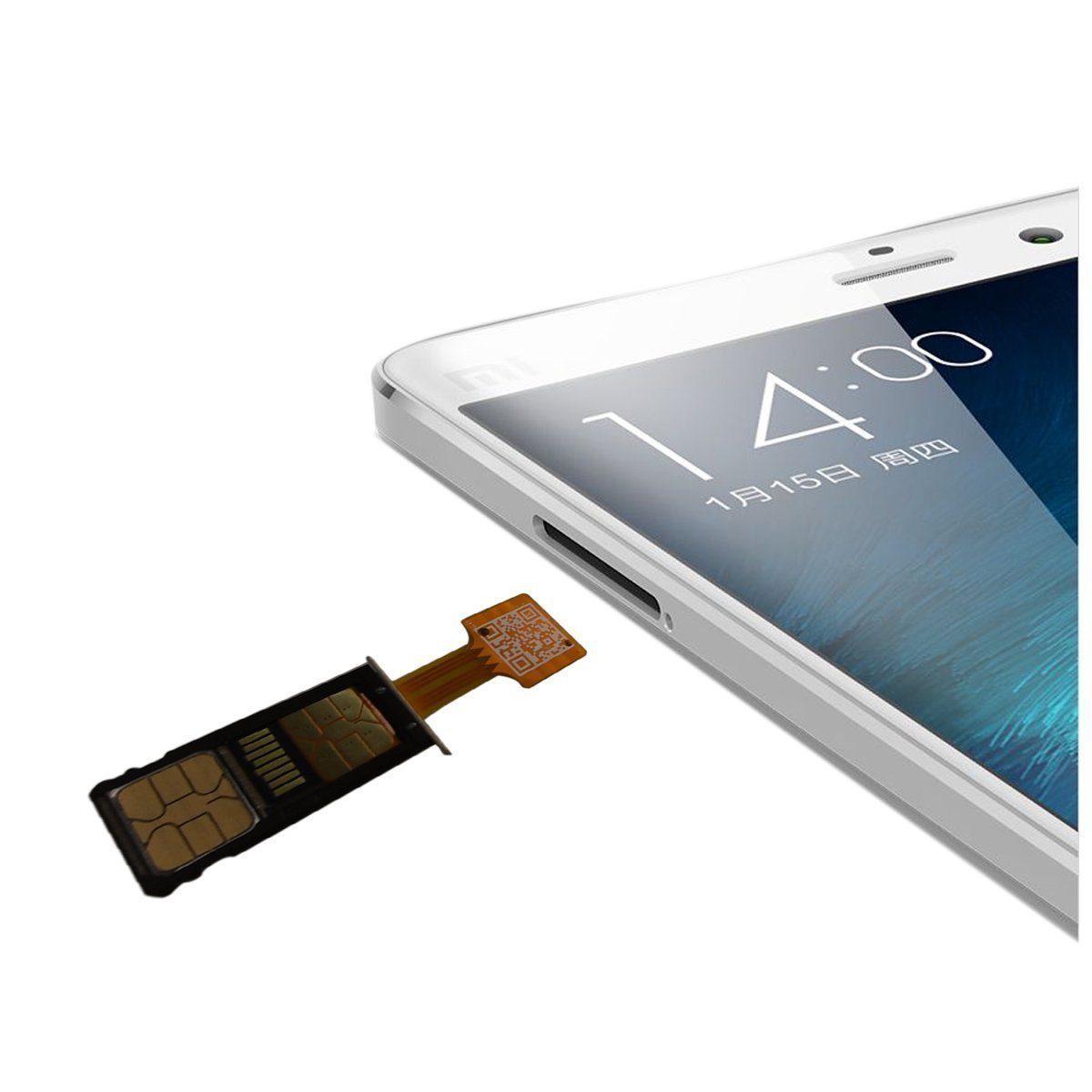
Many mid-range and budget Android phones (Xiaomi, Samsung A-series, Motorola) still include a microSD slot. If yours does, this is the best value upgrade.
How to check if your phone has a microSD slot:
Look at the side of your phone for a SIM tray — if it has two slots, one may be for microSD. Check your phone’s spec page on GSMArena.com if you’re unsure.
What card to buy:
- Use a Class 10 / UHS-I (U1 or U3) card for good read/write speeds
- Samsung EVO Select or SanDisk Ultra are reliable, affordable choices
- 128GB or 256GB cards are sweet spots for price vs. space in 2026
📸 SCREENSHOT NEEDED: MicroSD card being inserted into the SIM/card tray of an Android phone
Setting Up Adoptable Storage (Some Android Phones)
Some Android phones let you format a microSD card as “internal storage” so apps can be installed directly to the card. Go to Settings → Storage → SD card → Format as internal. Note: this makes the card unusable in other devices, so only do it if you plan to keep the card in this phone permanently.
Method 2: Use Cloud Storage for Photos and Videos
Photos and videos take up the most space. Offloading them to the cloud is the most effective free solution.
- Google Photos: Free for photos/videos backed up at “Storage saver” quality. Enable it in Google Photos settings → Backup.
- Google Drive: 15GB free across Google account. Good for documents and files.
- OneDrive: 5GB free — useful if you use Microsoft 365.
📸 SCREENSHOT NEEDED: Google Photos settings screen showing Backup toggle enabled with Storage saver selected
Quick space recovery:
After enabling Google Photos backup, tap Library → Utilities → Free up space. This removes locally stored photos that are already backed up — often recovers gigabytes instantly.
Method 3: USB OTG Flash Drive
A USB OTG (On-The-Go) drive plugs into your phone’s USB-C port and works like a flash drive. Great for temporarily moving large files like videos.
- Make sure your phone supports USB OTG (most do — check Settings → Connected devices)
- Buy a USB-C flash drive (SanDisk Ultra Dual Drive is popular)
- Files appear in your file manager under the drive name
Method 4: Regularly Clear Cache and Junk
App caches accumulate silently. Clearing them recovers space without deleting any personal data:
- Settings → Storage → Other apps
- Sort by size
- Open the largest apps and tap Clear Cache
WhatsApp media is often the biggest culprit — go to WhatsApp → Settings → Storage and Data → Manage storage to clean it up.
Warning: Don’t clear app Data (only Cache). Clearing data will log you out of apps and delete local settings. Clear Cache only.
Quick checklist:
- ✅ Check if your phone has a microSD slot — it’s the easiest hardware upgrade
- ✅ Turn on Google Photos backup and use ‘Free up space’ regularly
- ✅ Use a USB-C OTG drive for temporary large file storage
- ✅ Clear app caches monthly, especially WhatsApp and social media apps
- ✅ Move apps to microSD card via Settings → Apps → [app name] → Storage → Change
FAQ
Can I add storage to a phone without a microSD slot?
Not internally. Phones like the iPhone and many flagship Androids (Pixel, Samsung S-series) don’t have microSD slots. Your options are cloud storage or a USB-C OTG drive for temporary file access.
Why does my phone say storage is full even after deleting files?
Cached data, WhatsApp media, and downloaded files that aren’t visible in your gallery often take up significant space. Use your phone’s built-in Storage Analyzer (Settings → Storage → Analyze storage) to find the culprits.
How much storage is enough for an Android phone?
128GB is the minimum comfortable size for most people in 2026. If you shoot lots of video, 256GB is worth the extra cost. Don’t buy 64GB — you’ll fill it within a year.
Best MicroSD Cards ↗How to Free Up Space on Android
The combination of a microSD card (if supported) and Google Photos with auto-backup handles storage issues for the vast majority of Android users — and most of it is free.