
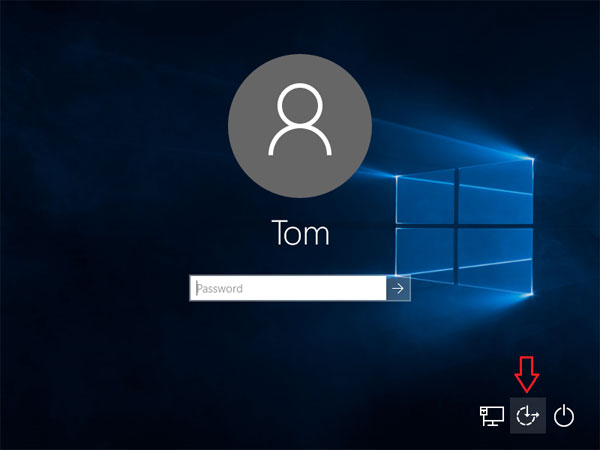
Windows’ built-in screenshot tools (Snipping Tool, Win+PrtScn) don’t work on the login or lock screen. But there are workarounds that let you capture these screens without third-party software.
Short Answer: To screenshot the Windows login or lock screen, use the built-in Screen Recording via Xbox Game Bar after boot, or press the Print Screen key (PrtScn) on the lock screen — Windows saves it to a buffer that you can paste into Paint after logging in. Another method: use a VM or take a photo with another device.
Why Normal Screenshot Methods Don’t Work on Login/Lock Screens
Windows disables screenshot tools on the login and lock screens as a security measure — the screen capture APIs don’t run at that level. The Print Screen key technically captures the screen to the clipboard, but the clipboard is also locked until you sign in. Here are the methods that actually work.
Method 1: Print Screen + Paste After Login (Simplest)
This is the most overlooked method. When you press PrtScn on the lock screen, Windows does capture it to the clipboard buffer — you just can’t paste it until you log in.
- On the lock screen or login screen, press PrtScn (or Win + PrtScn)
- Log in to Windows normally
- Open Paint (search Paint in Start menu)
- Press Ctrl + V to paste the screenshot
- Save the file
This works for a quick one-time capture. The screenshot only stays in the clipboard until it’s overwritten.
Method 2: Xbox Game Bar Screen Recording
Xbox Game Bar can capture the screen transition including the lock screen:
- Press Win + G to open Xbox Game Bar
- Click the Camera icon in the Capture widget to take a screenshot, or the circle/record button to start recording
- Lock your screen and unlock it — the recording captures the transition
Note: Game Bar may not capture the full lock screen in all Windows versions — test it on your system.
Method 3: Use a Second Device
The simplest and most reliable method for sharing what the login screen looks like: take a photo with your phone. Not a digital screenshot, but effective for documentation, sharing with IT support, or troubleshooting.
Method 4: Virtual Machine (For Developers/Testers)
If you’re testing Windows UI or need repeated lock screen screenshots, run Windows in a virtual machine (VMware, VirtualBox, or Hyper-V). The host machine can screenshot the VM’s lock screen freely using the host’s screenshot tools.
📸 SCREENSHOT NEEDED: Windows Lock Screen visible in a VMware virtual machine window with a screenshot being taken of the full VM
Best method by situation:
Quick one-time → PrtScn then paste in Paint | Repeated/testing → Virtual machine | Sharing with others → Phone camera photo
Warning: If you’re trying to screenshot a Windows login error or blue screen, the PrtScn method may not work. In that case, take a photo with your phone — it’s the most reliable way to document error screens.
FAQ
Why can’t I use Snipping Tool or Win+Shift+S on the lock screen?
These tools run in user context and aren’t available before you’ve logged in. The Windows security model deliberately restricts screen capture at the login level.
Does the PrtScn clipboard trick work on Windows 11?
Yes. The method works on both Windows 10 and Windows 11. Press PrtScn on the lock screen, log in, open Paint, and paste.
Can I automate lock screen screenshots?
For automated or regular lock screen captures, a VM is the best approach. You can script VM screenshots from the host machine on a schedule.
Quick checklist:
- ✅ Try PrtScn on lock screen → log in → paste in Paint (simplest method)
- ✅ Use a phone camera for quick documentation of the lock screen
- ✅ Virtual machine is best for repeated testing or developer use
- ✅ Xbox Game Bar recording can capture the login/lock screen transition
More Windows Tips ↗ ↗Best Screenshot Tools for Windows
Conclusion
The PrtScn-then-paste trick is the quickest native method for a one-time lock screen screenshot. For anything more involved, a VM or phone camera are more reliable. Check our guide on Windows tips for more productivity shortcuts.